
How To Build A 30-Day UGC Content Plan
A practical framework to publish consistently without creative burnout, including weekly structure and reusable hooks.
Read article →Read weekly updates on creator economy trends, campaign structure, and practical content strategies you can use right away.
A practical framework to publish consistently without creative burnout, including weekly structure and reusable hooks.
Read article →
Key pricing components, deal scope boundaries, and communication tips for stronger creator-brand negotiations.
Read article →
Learn how credibility-first intros can improve watch time and click intent in short-form social campaigns.
Read article →
From briefing to final cut, this workflow helps teams reduce revisions and speed up campaign delivery.
Read article →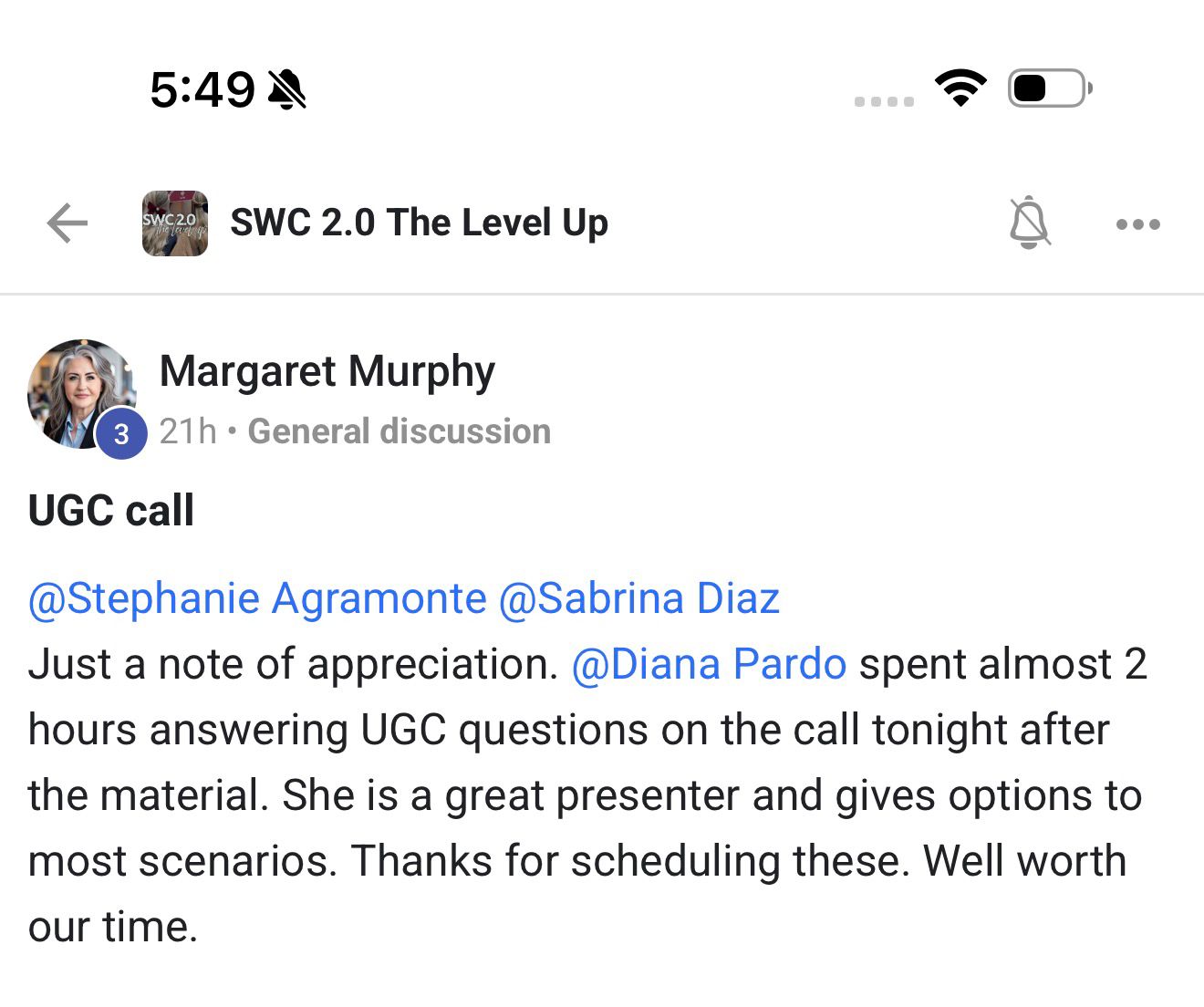
See how live sessions are organized to help creators move from confusion to campaign-ready execution.
Read article →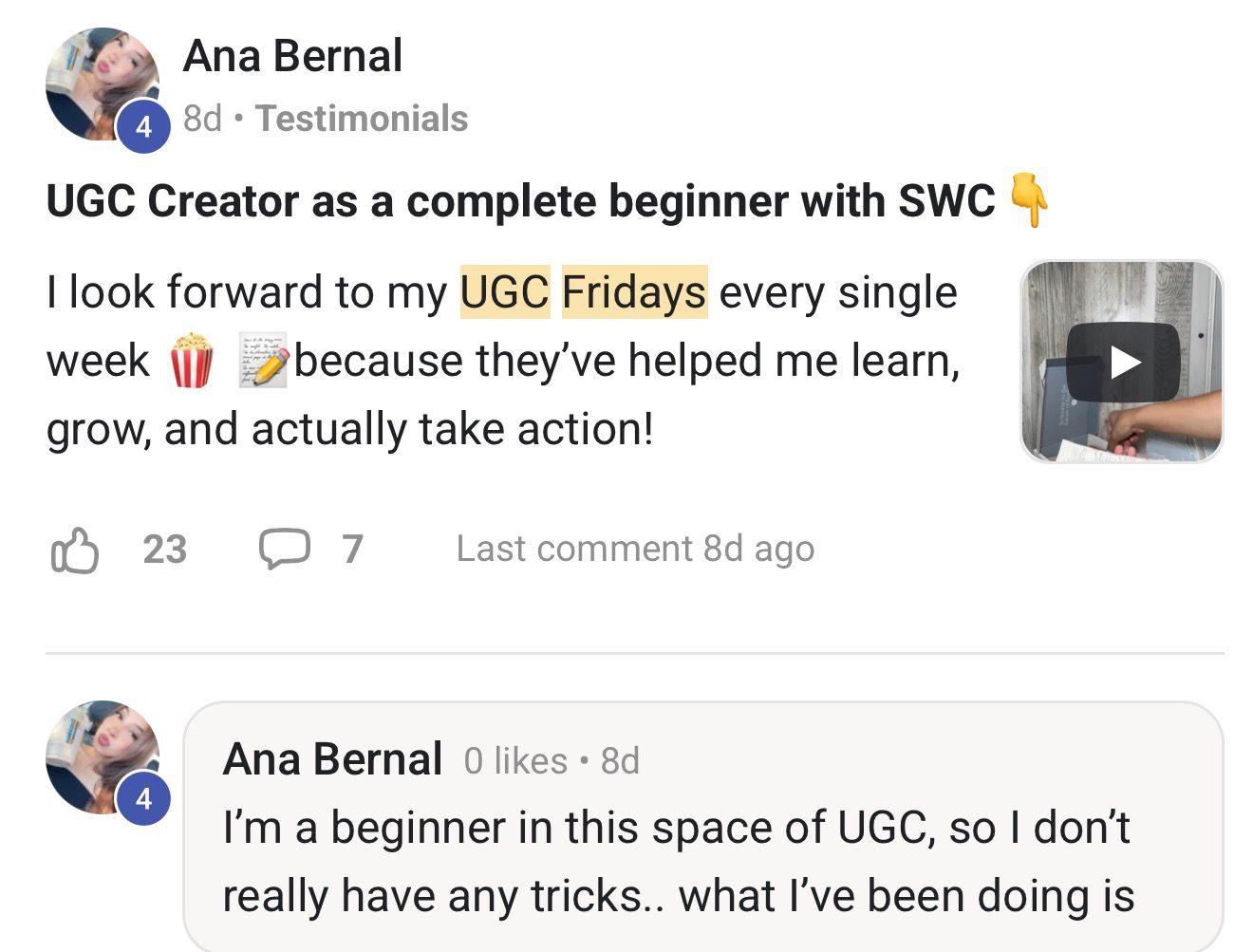
Peer review loops and creator collaboration can raise quality fast while keeping content natural and relatable.
Read article →Most high-performing creators and brand teams use a monthly planning cycle because social algorithms reward consistency and audience trust grows with repeated value. At Beyond UGC, we recommend planning by content pillars: education, proof, personality, and offer. This keeps content varied while still aligned to campaign goals.
Use week one for research and hooks, week two for production, week three for editing and testing, and week four for optimization. Public creator economy guidance from major platform education hubs consistently emphasizes testing multiple hooks and formats, then doubling down on winning patterns instead of reinventing every post.
Transparent pricing helps brands approve collaborations faster and helps creators avoid scope creep. A solid rate card includes deliverables, usage rights, revision limits, turnaround times, and payment terms. These fundamentals align with public freelance contract best practices used across creative industries.
At Beyond UGC, we suggest creators separate base production fees from licensing and paid usage. This gives brands flexibility while protecting creator value when content is used in ads or repurposed across channels.
Public platform trend reports have repeatedly shown that native-feeling videos often retain viewers better than polished, ad-first creative. People stay longer when the opening feels real, immediate, and relevant to their problem. The first two seconds are still the highest-leverage moment in most short-form formats.
Beyond UGC scripts begin with situation-based hooks, then move quickly into proof and outcome. This makes videos feel like recommendations from a trusted person, not interruptions in the feed.
Faster campaigns come from better handoffs, not just faster editing. Industry-standard project management practices show that unclear briefs and delayed feedback are top causes of missed deadlines. A simple operating rhythm can prevent most revision loops.
Our Beyond UGC workflow uses five checkpoints: brief alignment, script approval, raw capture review, first cut feedback, and final delivery package. Each stage has one owner and one deadline to keep production moving without confusion.
Learning accelerates when creators combine live practice, expert feedback, and peer accountability. This mirrors public adult-learning best practices that prioritize active application over passive consumption. Our coaching format is built to help beginners execute quickly while giving advanced creators room to refine strategy.
Every week at Beyond UGC, creators review one tactical framework, workshop real scripts, and leave with an action plan for the next seven days. The goal is simple: remove overwhelm and turn knowledge into publishable content.
Peer review is a proven quality multiplier in creative work. When creators exchange structured feedback, they spot weak hooks, unclear messaging, and pacing issues earlier. Public creator communities and educational cohorts frequently use this model because it improves output without increasing production costs.
Inside Beyond UGC, feedback focuses on audience clarity, retention moments, and conversion intent. That keeps critiques practical and aligned with brand outcomes rather than personal preference.